





"You don't read an atlas in the same way you read a novel or a philosophical essay... An atlas often begins in an arbitrary or problematic way... an atlas almost never has what we might call a definitive form.Furthermore, an atlas is hardly made up of pages in the usual sense of the term, but rather of tables, or of plates on which images are arranged, plates that we consult with a particular aim, or that we leave through at leisure, letting our will to knowledge wander from image to image."
Didi-Huberman/ Atlas, or the anxious gay science- Intro
"No se lee un atlas de la misma manera que se lee una novela o un ensayo filosófico... Un atlas suele comenzar de forma arbitraria o problemática... un atlas casi nunca tiene lo que podríamos llamar una forma definitiva. Además, un atlas apenas se compone de páginas en el sentido habitual del término, sino más bien de tablas o de láminas en las que se disponen imágenes, láminas que consultamos con un objetivo concreto o que recorremos a nuestro antojo, dejando que nuestro afán de conocimiento deambule de imagen en imagen." Didi-Huberman/ Atlas, or the anxious gay science- Intro
Fotografías de comienzos del siglo XX, latino-américa /Photography from the early 20th century, latin-america
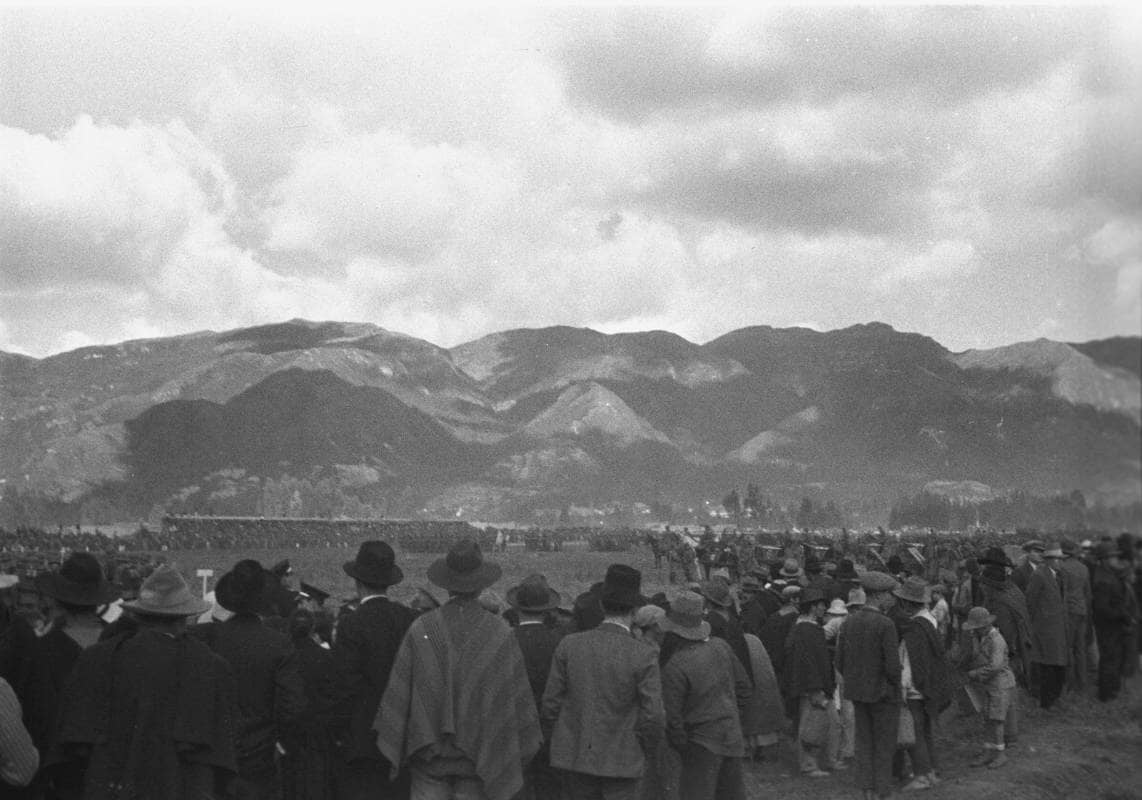
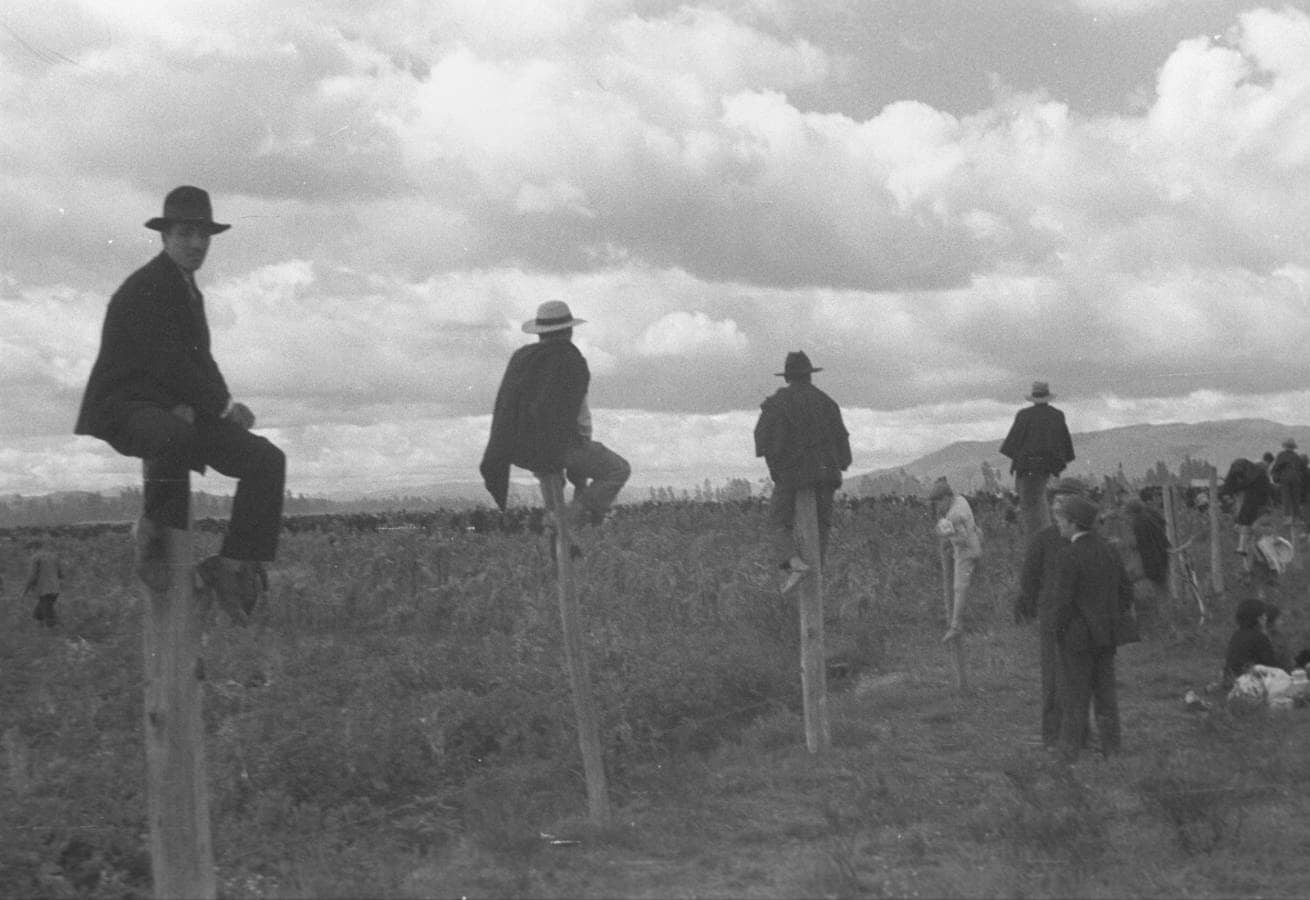
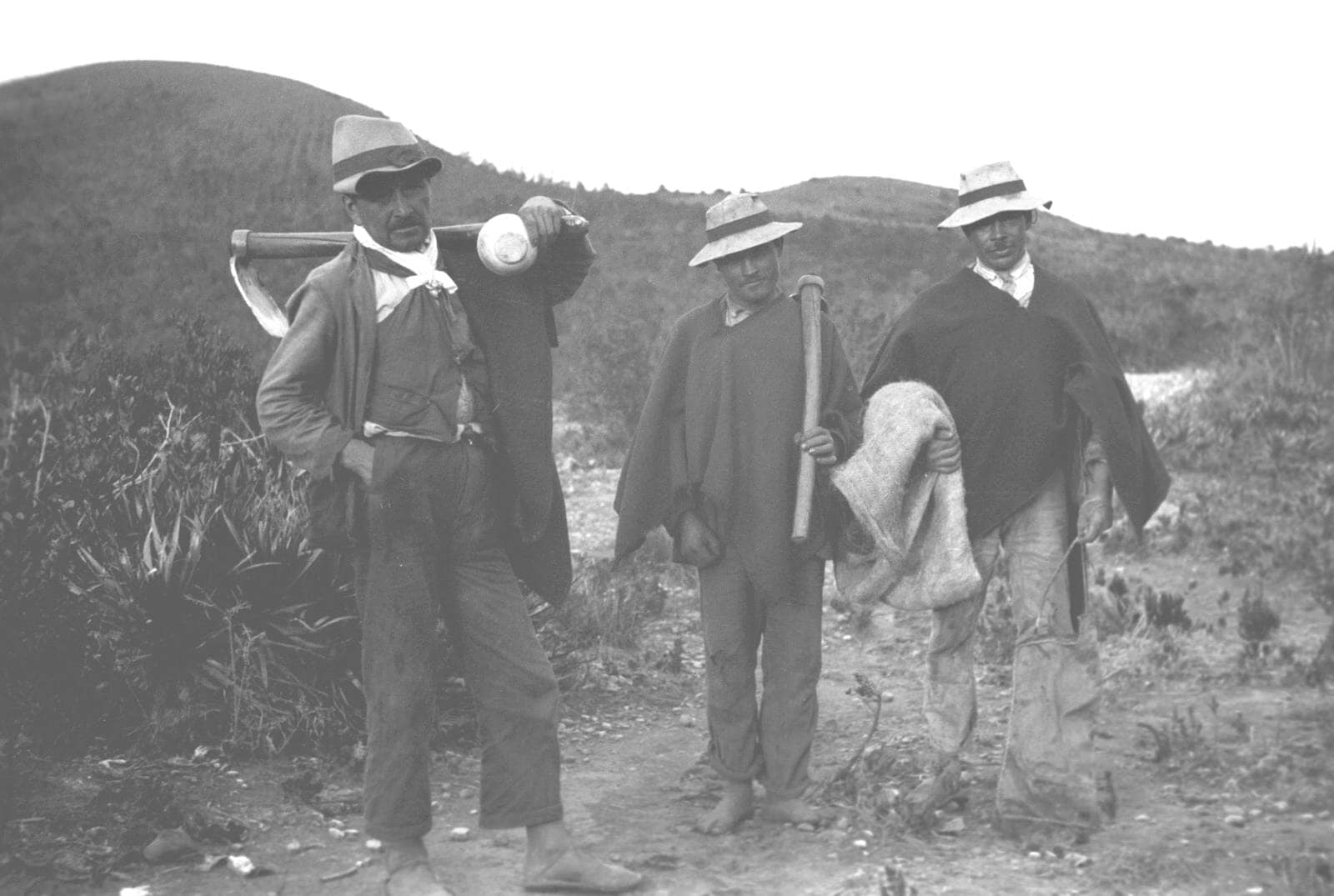
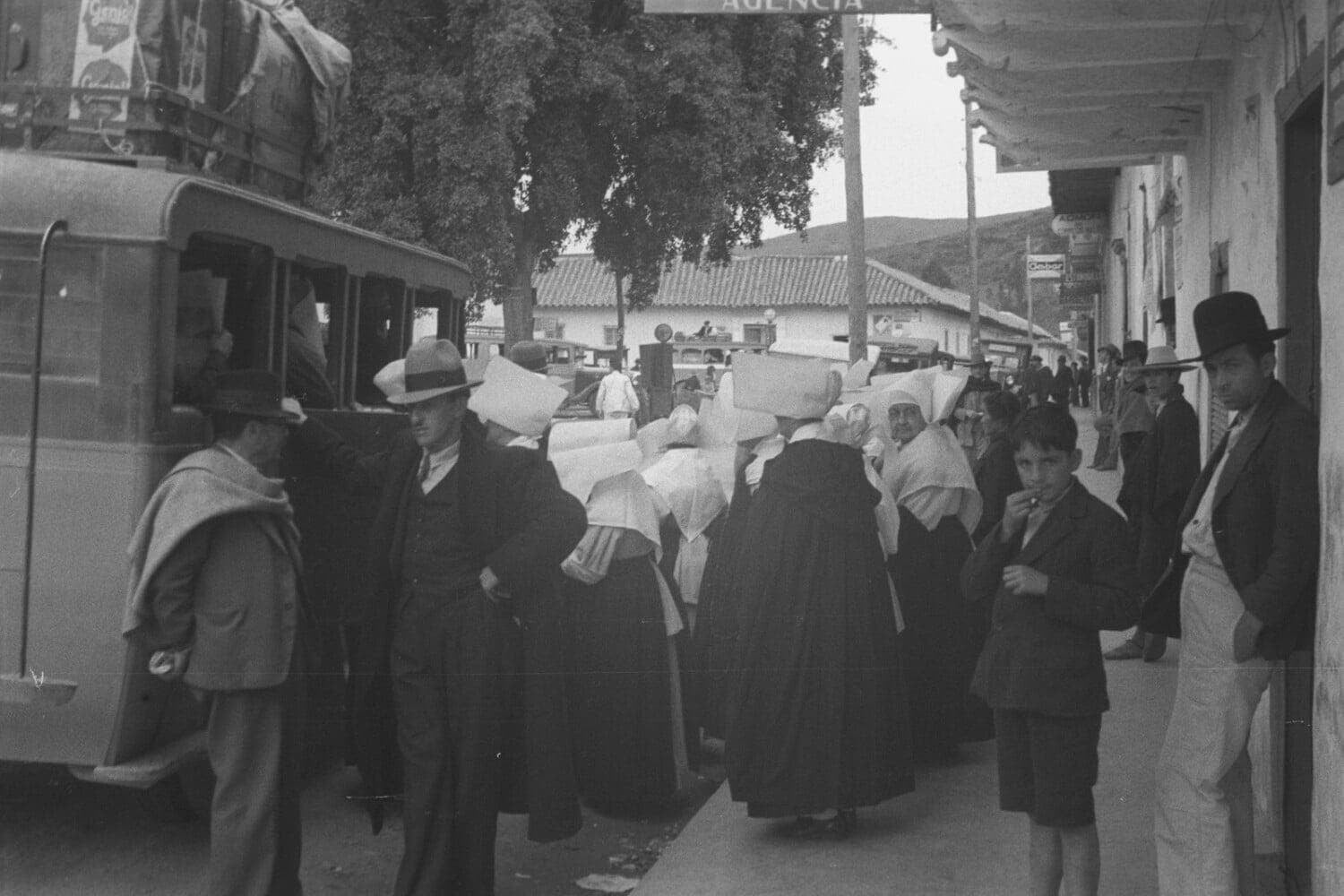
Horst Martim fue un fotógrafo aficionado alemán, que viajó por Sudamérica trabajando como profesor en colegios alemanes. Su archivo es muy extenso y se conserva principalmente en la «Deutsche Fotothek» de la Universidad y Biblioteca Estatal de Dresden (SLUB). La colección, que abarca varias regiones de Colombia y numerosos viajes por carretera por Boyacá, Cundinamarca y Santander, se realizó en la década de 1930 (presumiblemente entre 1934 y 1937). La combinación de términos de búsqueda: «Horst Martin» y «Santander», arroja cerca de 260 resultados en este archivo.
Horst Martim was an amateur german photographer that traveled through South America working as a teacher for German schools. His archive is abundant, and is mainly hosted at “Deutsche Fotothek” at the Dresden university and state library (SLUB). The collection that includes several regions of Colombia, and a lot of roadtrips through Boyacá, Cundinamarca and Santander, was made in the 1930s (presumably between 1934-1937) . The sole search for “Horst Martin” and “Santander,” yields some 260 results.
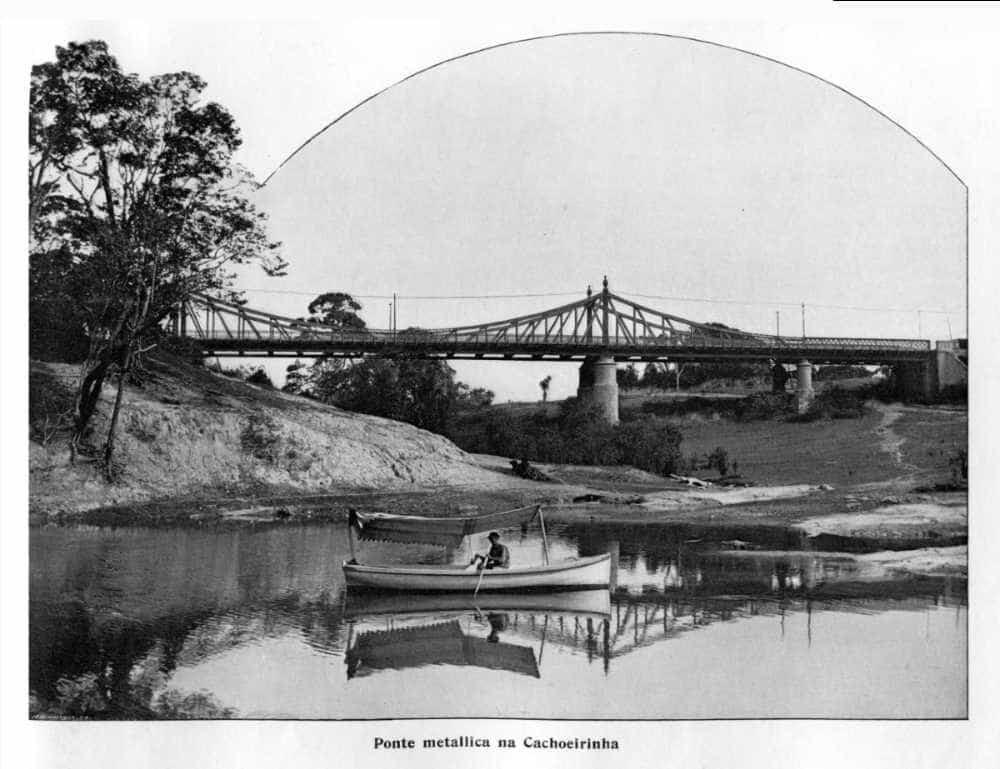

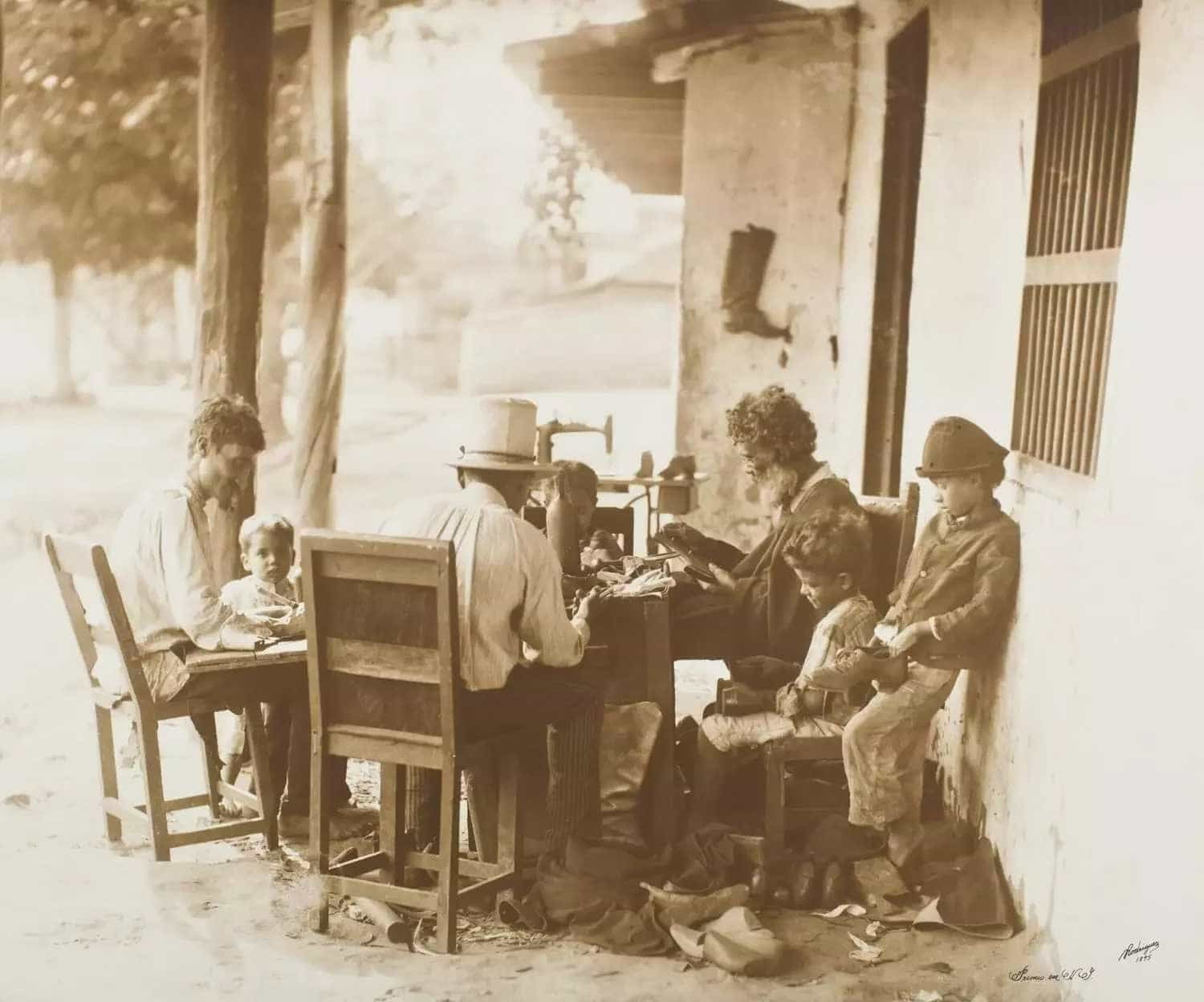
Luis Melitón Rodríguez Márquez, fue un fotógrafo profesional paisa, nacido en 1875 Medellín, en el corazón de una familia de artistas y artesanos. Su colección de 220,000 negativos, es conservada por la biblioteca piloto de Medellín
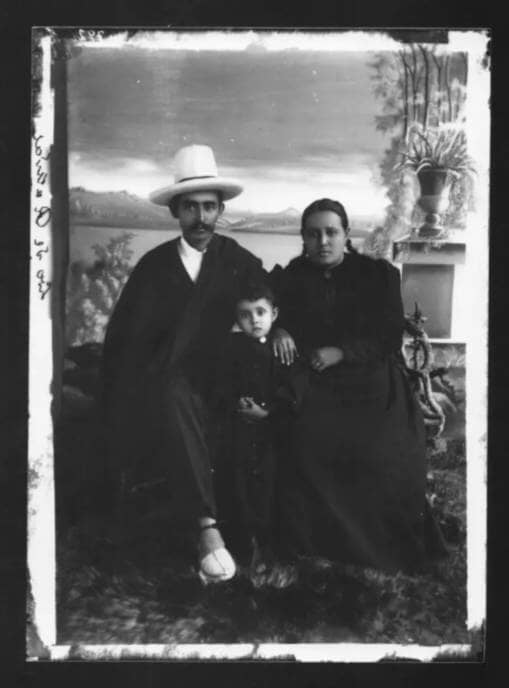
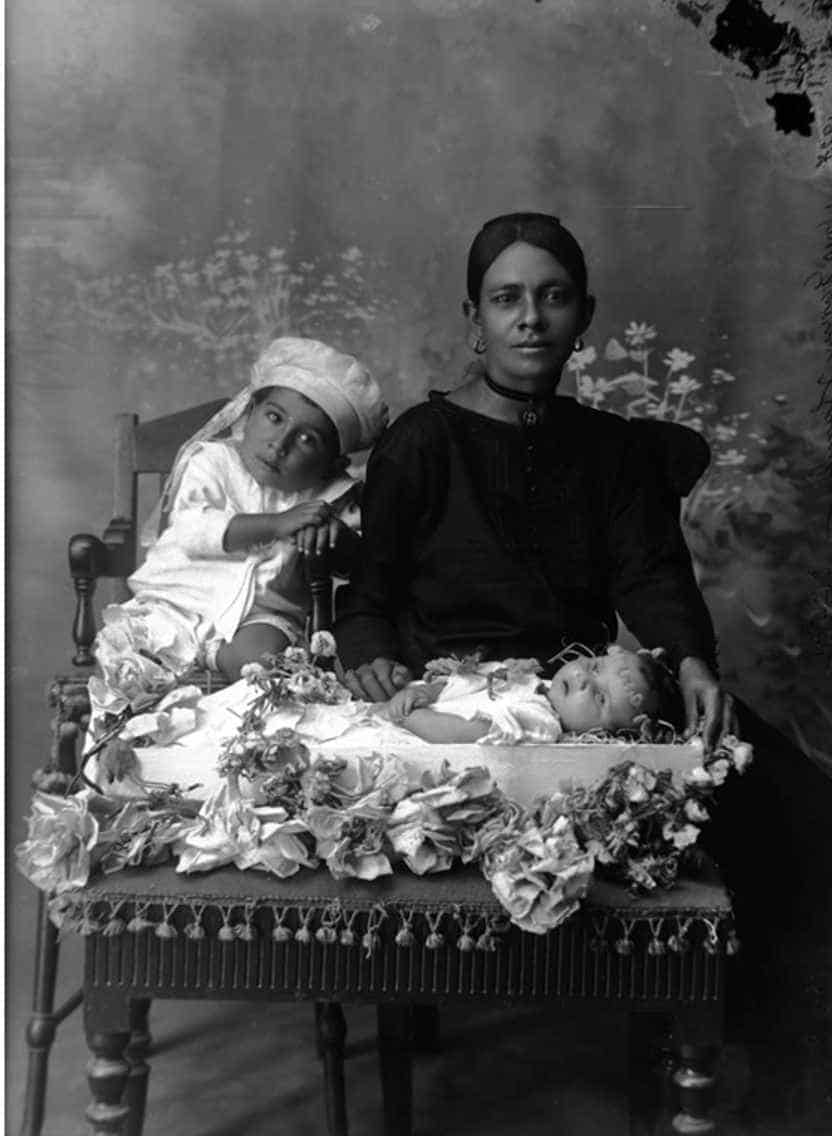
Benjamin de la Calle, una buena parte de la colección de este fotógrafo se encuentra disponible en la exposición virtual del Museo de Arte Moderno de Medellín. Otra parte pertenece a la Universidad Piloto de la misma ciudad.
Benjamin de la Calle: a large part of this photographer’s collection is on display in the virtual exhibition at the Medellín Museum of Modern Art. Another part belongs to Piloto University in the same city.
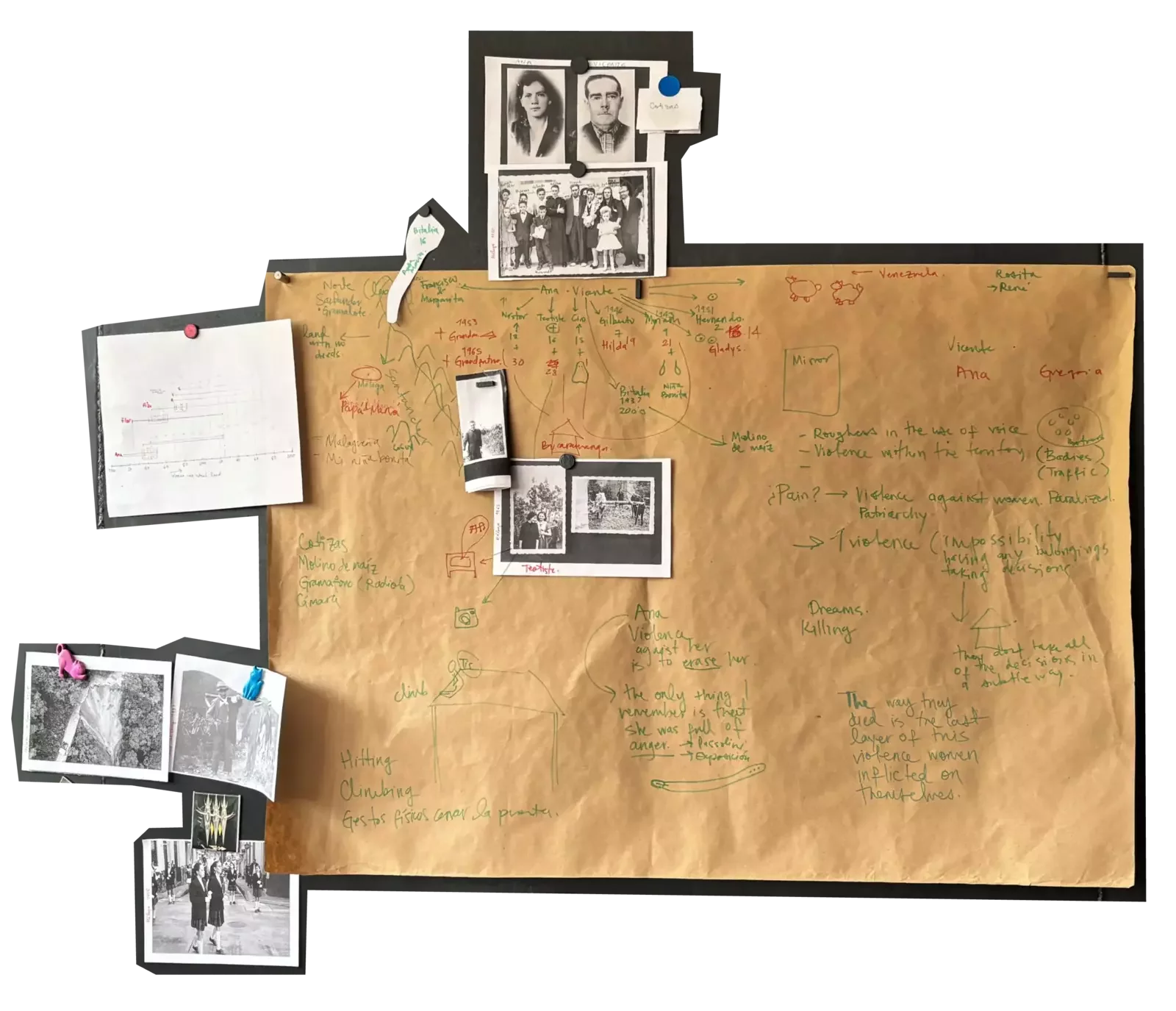


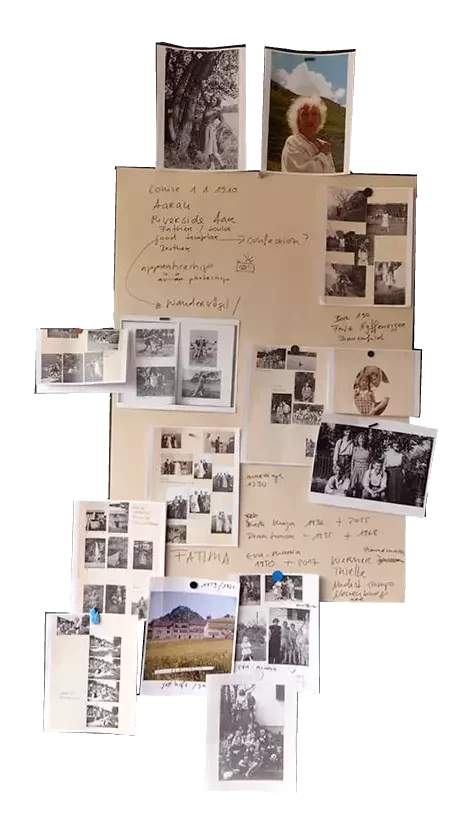
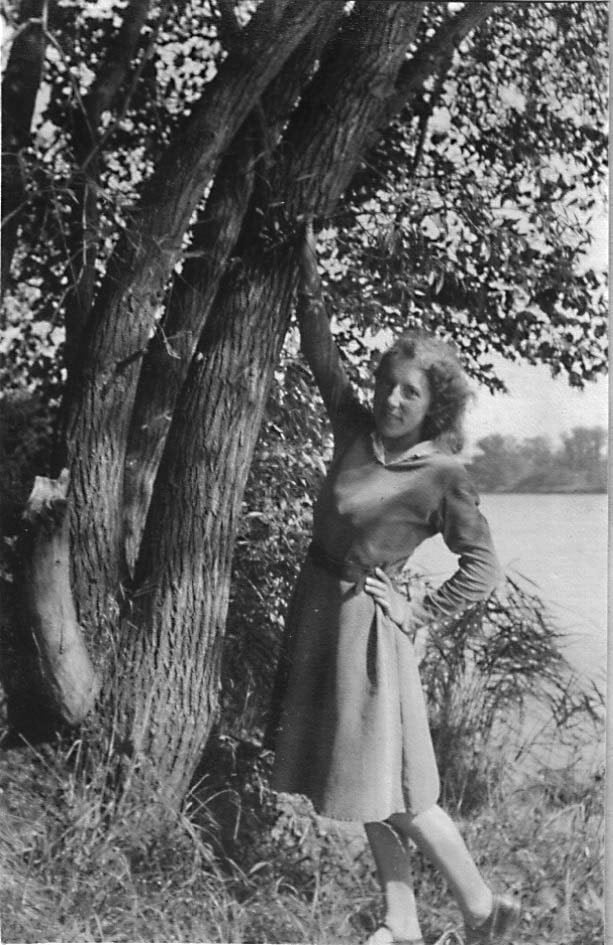
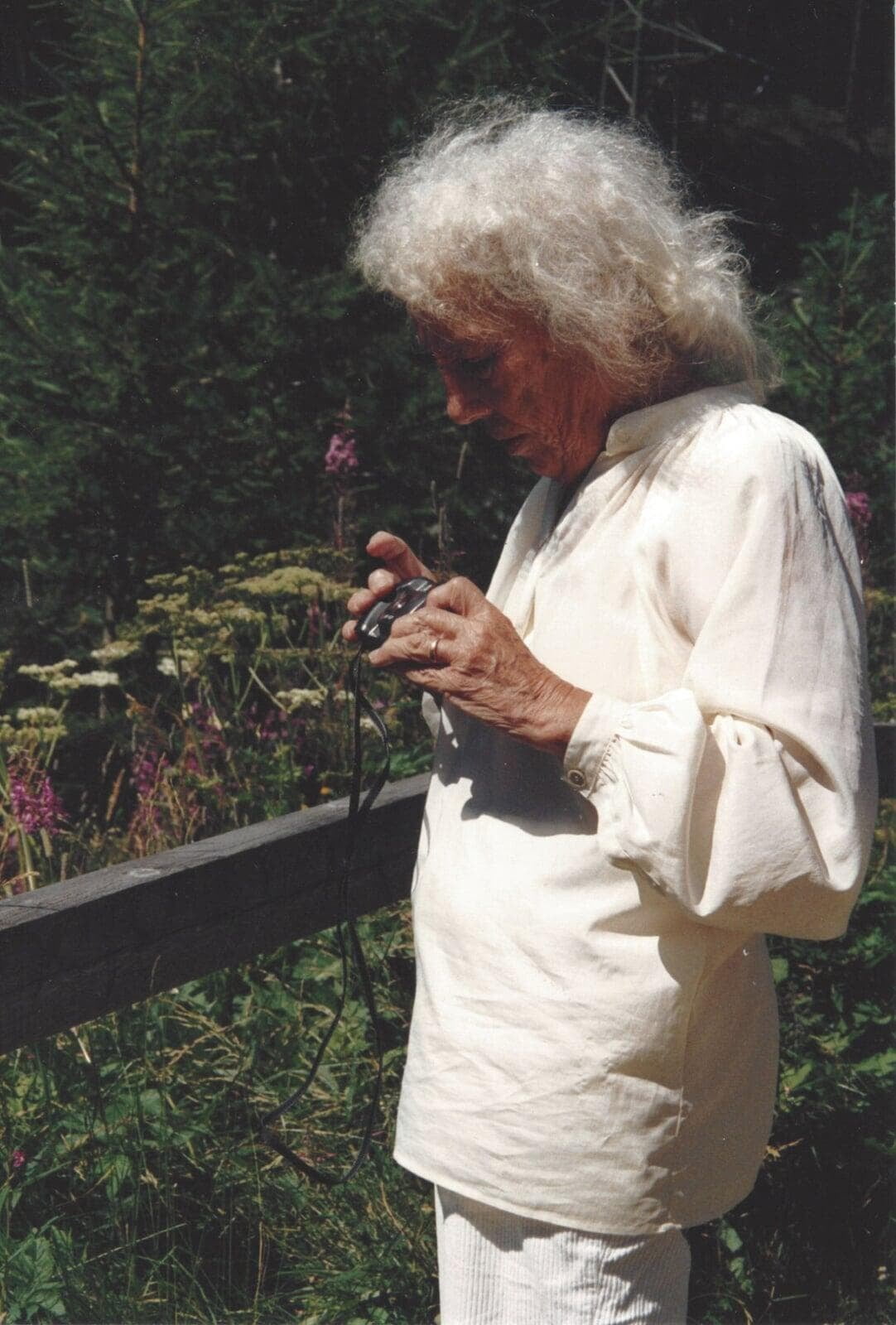
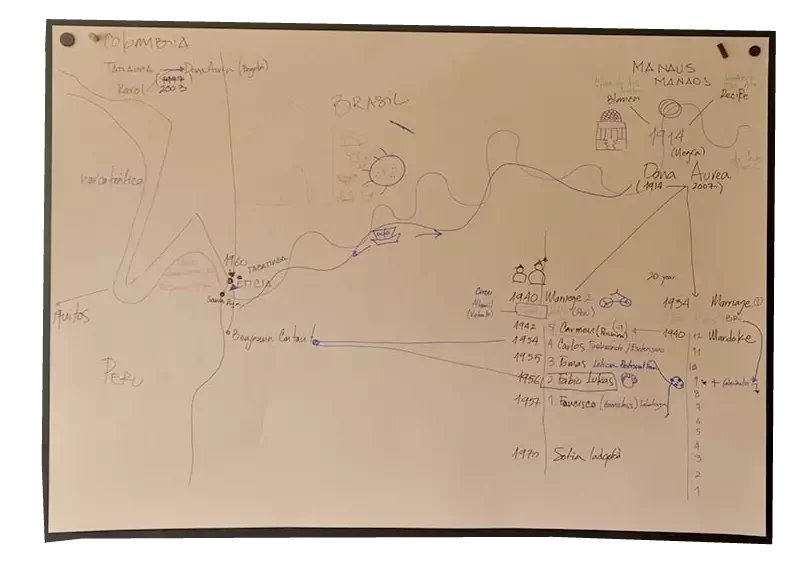
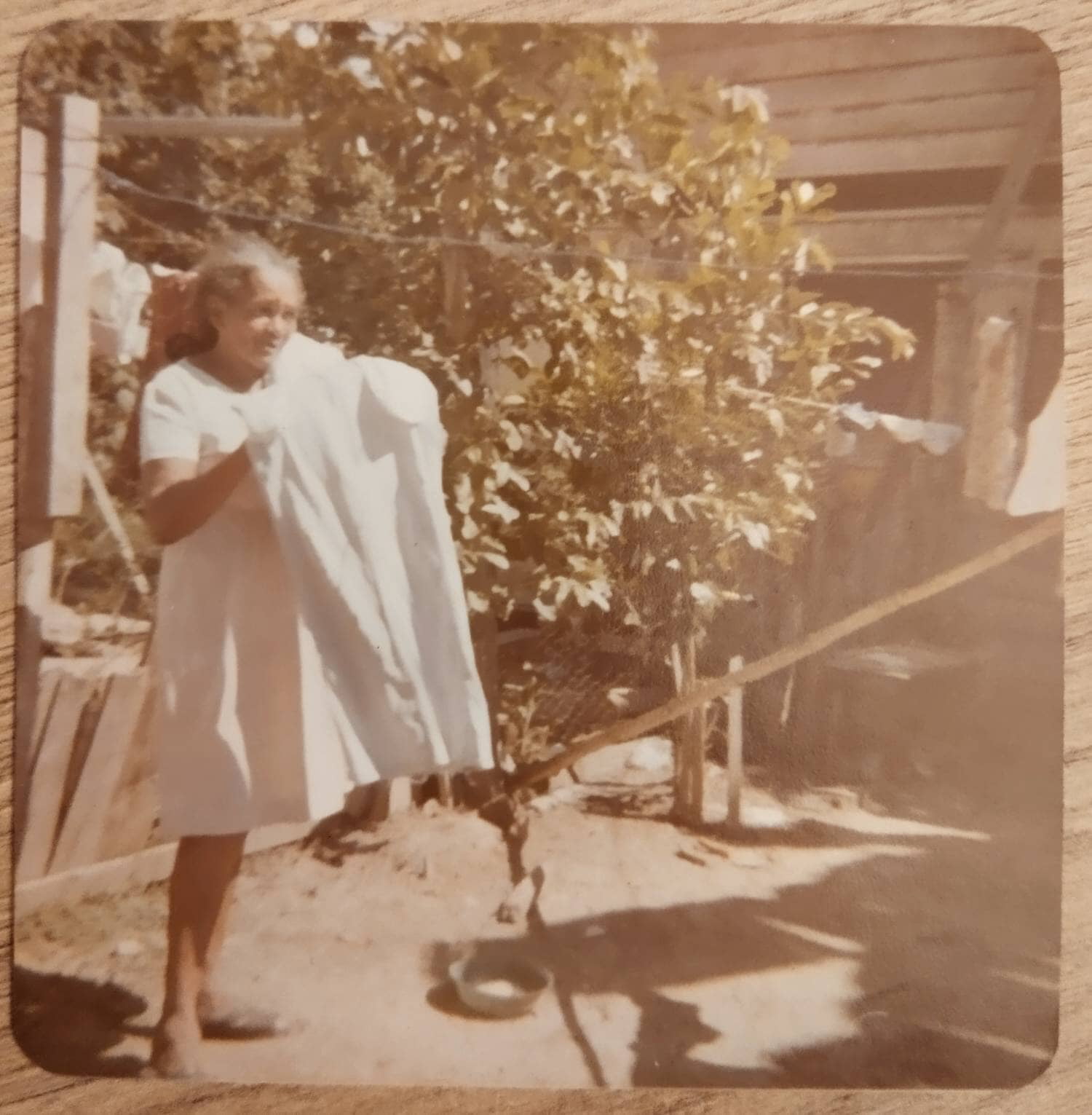
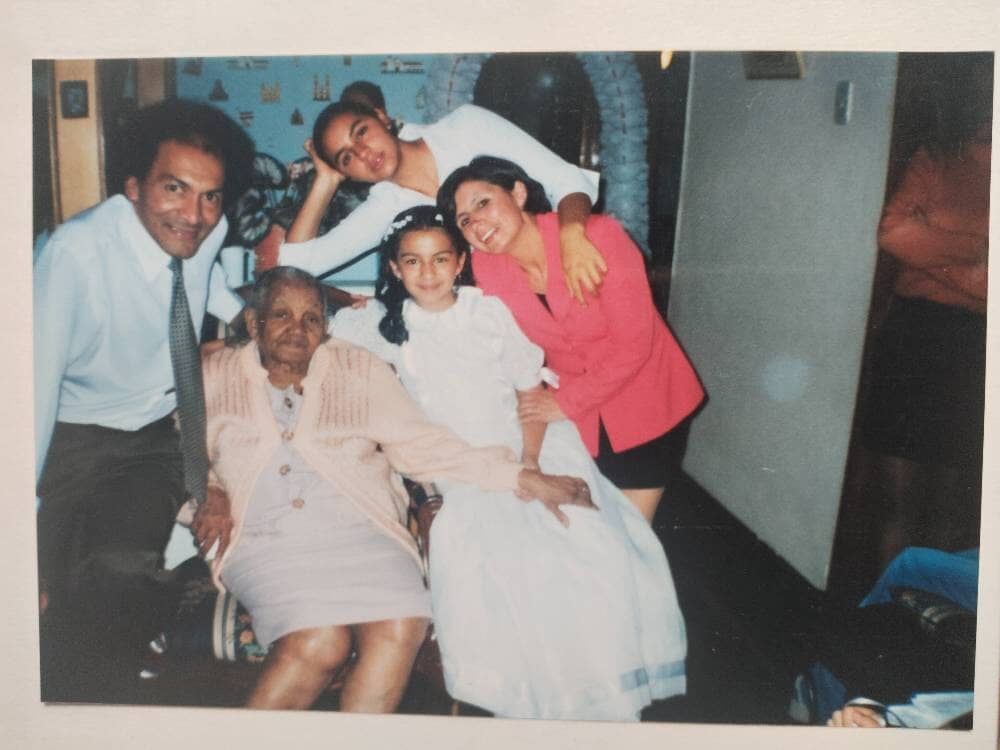
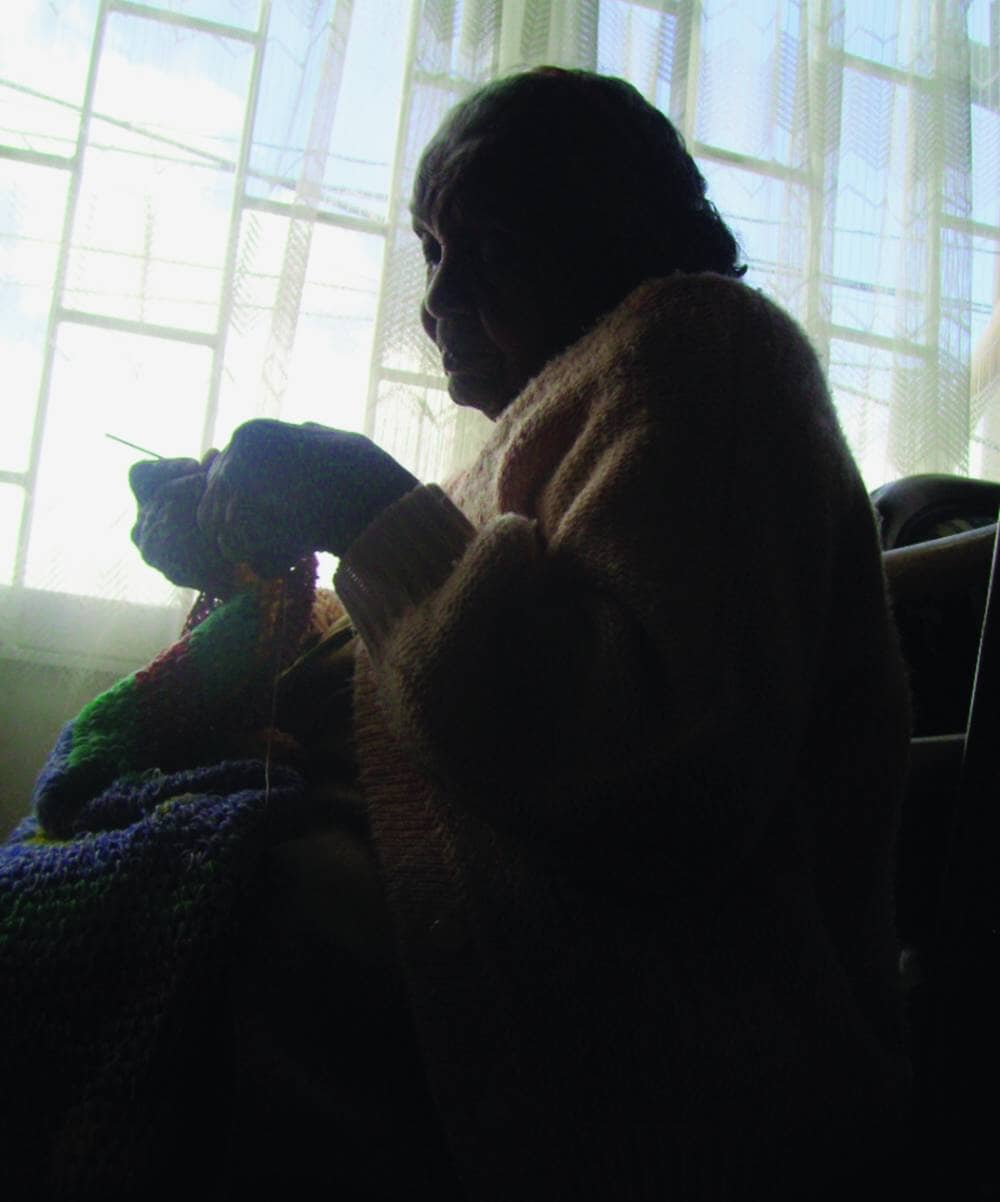
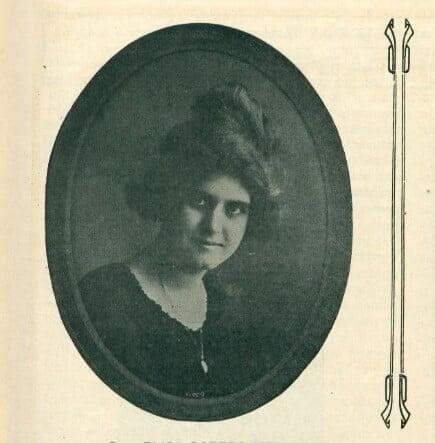
Las historias /The stories
Ana
Málaga, Colombia - 1911
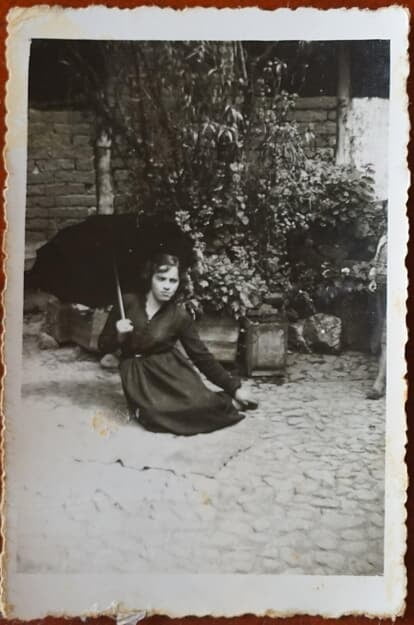
Mi abuela murió cuando tenía más o menos mi edad. No guardo ningún recuerdo de ella de mi infancia; nunca llegué a establecer una relación con ella cuando era niña. Nos encontramos ahora, en una especie de camaradería; ambas atravesando los cuarenta. Nuestra conversación se desarrolla más entre amigas que entre familiares, y cobra relevancia a medida que algunas de los circunstancias que determinaron las decisiones de mi abuela parecen estar resurgiendo.
My grandmother died when she was about my age. I don't have any memories of her as a child, I never established a relationship with her as a kid. We meet now, in a kind of camaraderie. Our conversation unfolds more among friends than relatives. We realize that some of the issues that determined my grandmother's choices seem to be building up again.
I have one single photo of my grandmother. From this portrait, I try to imagine how tall she was, her voice, her ways, her ideas.
My grandmother died in 1951, thirty years before I was born. Her absence had a profound effect on my father and his siblings. They hardly ever spoke of her.
My desire to know more about her led me to visit the city where she lived her entire life, Málaga.
Aurea
Manaos, Brasil - 1914


Elisa
Medellín, Colombia- 1906
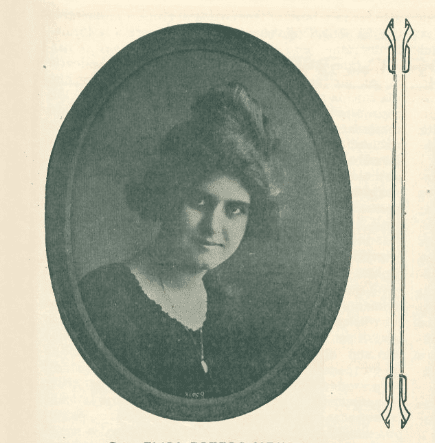
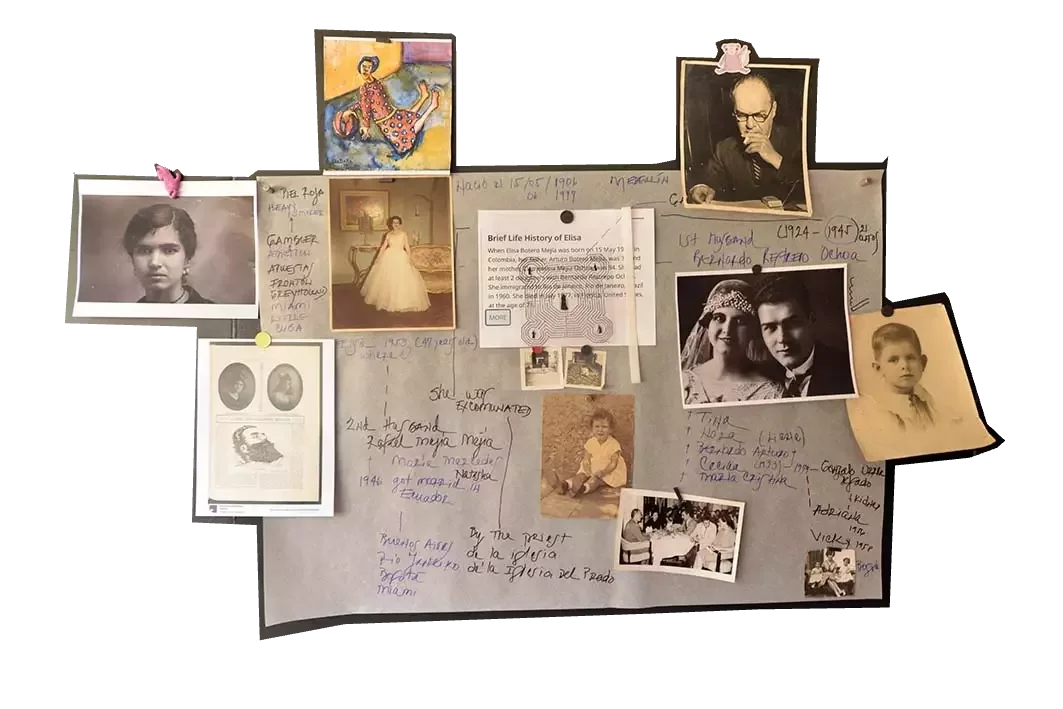
Sigo las huellas de la vida de mi abuela materna, Elisa Botero Mejía nacida en Medellín el 15 de mayo de 1906. Al emanciparse de su marido, perdió la custodia de sus cuatro hijas, fue excomulgada de la iglesia, tuvo que exiliarse y desclasarse. Para armar la vida un tanto nómade de mi abuela cuento con el testimonio de un sobrino suyo que aún vive y de su nieta más joven, con quien vivió los últimos once años de su vida en Miami. Consultaré archivos fotográficos, de prensa, eclesiásticos y documentos históricos y sociológicos. Me interesa sobre manera poner esta vida en resonancia con la obra de Débora Arango, su coetánea y contemporánea y algunas piezas del pintor Fernando Botero, su sobrino y de quien fue madrina.
Louise
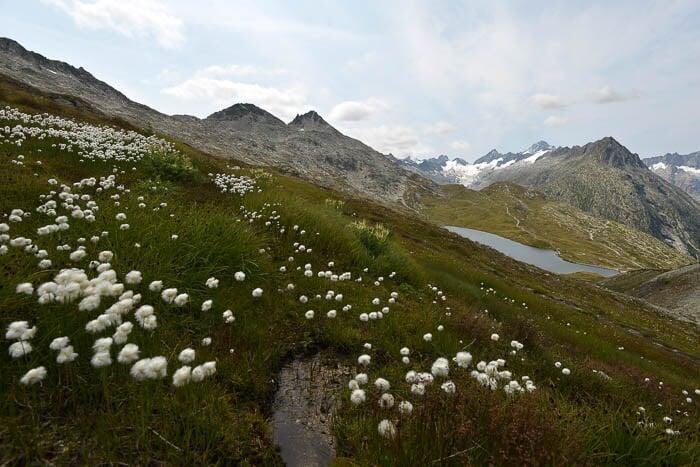
Aare, Suiza - 1910
Eva
Prusia oriental - 1910
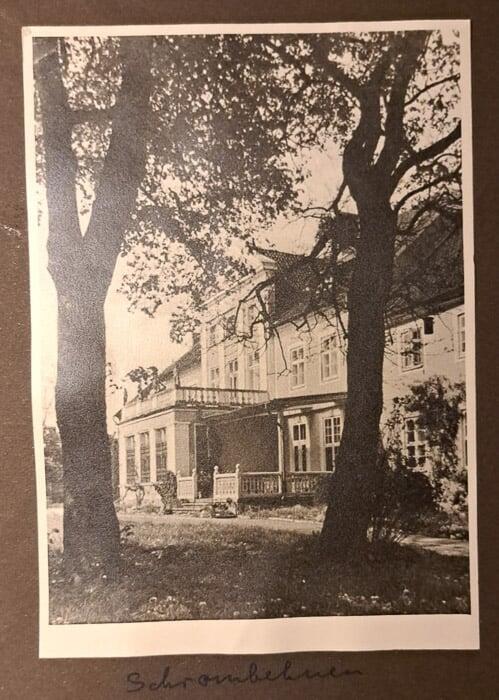
Mi madre siempre nos contaba las anécdotas más curiosas cuando le preguntábamos por la guerra. Prefería hablar de anécdotas divertidas, en lugar de mencionar las atrocidades que había presenciado.
My mother always told us the most curious anecdotes when we asked her about the war. She preferred to talk about funny anecdotes, rather than mention the atrocities she saw.
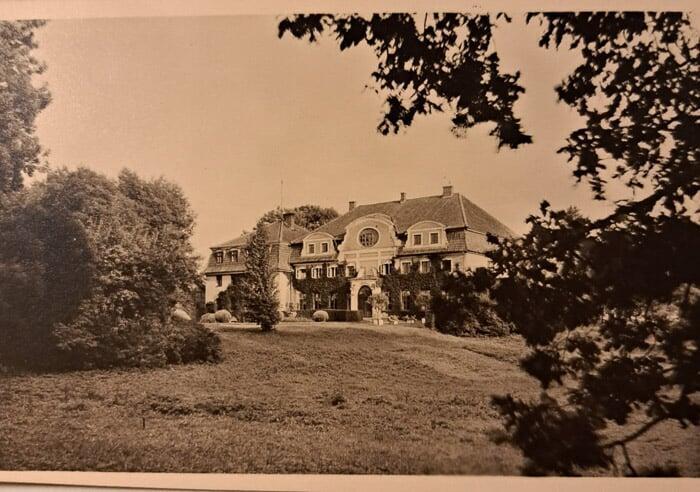
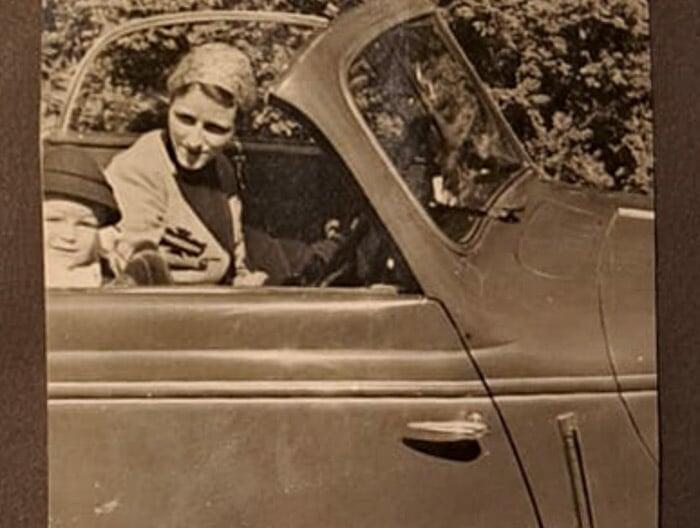
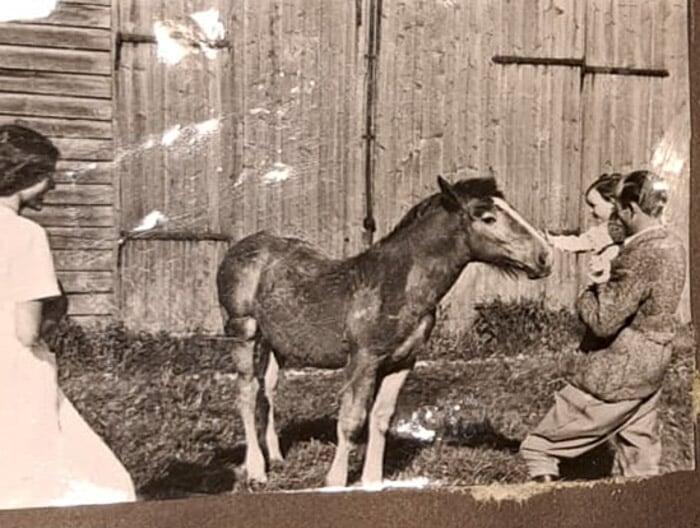
We borded the last train that left Prussia before it was taken by the Russians. I was fine, I was always fine because I was in my mother's lap. I had a stuffed animal made of plaid fabric, with big ears and a trunk: it was an elephant. Before falling asleep, I would run the thin strip of fabric that was the elephant's tail across my mouth. Several times, the elephant fell in the middle of the train; my mother then hurried between people's feet, legs, and suitcases to find my elephant. When we fled, it was almost Christmas. Temperatures were very low. The train was completely occupied, it was almost impossible to breathe inside. People even stood inside the bathrooms. Whenever the train stopped passengers rushed to relieve themselves in the meadows, turning their backs to the train carriages. My mother fondly remembered that scene of bare bottoms in the snow. She would rather tell us about this, than about the mothers that carried along the corpses of their dead kids to their unknown destination.
Everyone knew each other in East Prussia, and my mother spoke to one of the soldiers who was related to a neighbour, and they allowed us to travel in the ammunition car, even though it was forbidden. It was either that or walking for days in the middle of the snow.
Términos Legales, cifras y estadísticas
Family law in the Swiss Civil Code of 1912
The husband was regarded as the head of the family and the sole representative of the marital community to the outside world. The wife took his name and citizenship upon marriage. The husband decided on the marital domicile and had to ‘take due care of the maintenance of wife and child’.
The wife was only allowed to practice a profession or trade if the husband permitted this. The law provided for a clear division of responsibilities between the spouses, which was generally based on a ‘housewife marriage’ and only allowed the wife to work in exceptional cases. Accordingly, it standardized the wife's obligation to run the household. Her power of representation was limited to the day-to-day needs of the household. She had the so-called ‘power of the keys’ and was authorized to procure food and clothing for daily use. But even this limited power of representation could be revoked in whole or in part by the husband if the wife ‘abused’ it or proved to be ‘incapable’.
A new, revised marriage law, which recognized men and women as partners, came into force in 1988.
Marital rape has been a punishable offence since 1992 and an official offence since 2004.
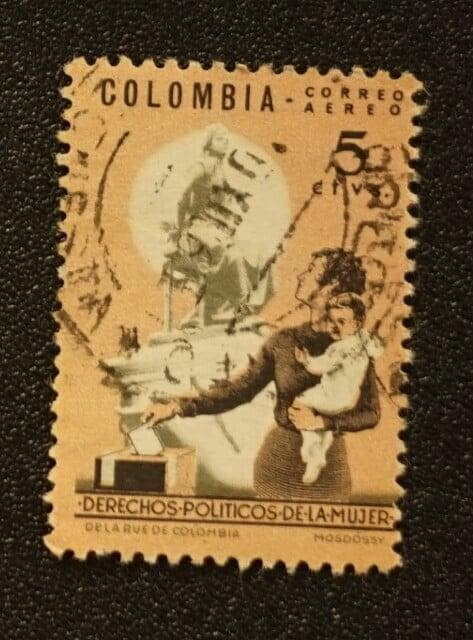
Estampilla: Derechos Políticos de la Mujer; correos Colombia, aprox: 1965-1966. Colección Particular cc
"Aunque las mujeres conquistaron el derecho al voto en 1954, fue hasta 1957 que salieron masivamente a las urnas a ejercer su ciudadanía completa."
El camino previo a la victoria
"La lucha para llegar a las urnas empezó conquistando otros derechos. Antes de la década de 1930, las mujeres tenían prohibido entrar a la universidad y no les estaba permitido hacer el bachillerato; no podían salir del país sin el permiso de sus esposos y tampoco manejaban su propio salario.
Luego, en el gobierno del liberal Enrique Olaya Herrera, el panorama empezó a cambiar. «En 1932 se conquista el derecho a administrar bienes y en 1933 el derecho a la educación», detalló Fabiola. Esas dos victorias fueron esenciales para la autonomía de las mujeres, especialmente con la posibilidad de terminar el bachillerato e ingresar a la universidad.
En 1944, el gobierno de Alfonso López Pumarejo planteó una reforma que le daría a la mujer el estatus de ciudadana y podría ejercer cargos públicos, pero en la letra pequeña se aclaraba que el sufragio no estaba incluido. A pesar de que la propuesta dejaba por fuera el voto femenino, fue aplaudida por muchas mujeres y también criticada por hombres que ya gozaban de esos derechos.
La iniciativa se volvió una realidad en 1947, gracias a las 500 mujeres que hicieron presión al firmar un memorial que le pedía a López Pumarejo llevar a cabo la reforma. Aquel grupo de sufragistas fue liderado por Lucila Rubio, una de las fundadoras de la Unión Femenina de Colombia (UFC).
Las mujeres sabían que contaban con una ciudadanía incompleta y, en 1948, encontraron un impulso internacional para seguir buscando el derecho al voto: la Declaración Universal de los Derechos Humanos. De acuerdo con Calvo, el documento de las Naciones Unidas dice que «todos los seres humanos nacen libres e iguales en dignidad y derechos», sin distinción alguna de raza, idioma, religión, sexo o de cualquier otra índole.
Colombia fue uno de los países que firmó dicho acuerdo internacional, asumiendo la obligación de trabajar en pro de esos derechos. «Se dan entonces una serie de debates sobre el voto femenino, pero no se fue sino hasta 1954 que, después de un encendido debate, se aprueba el voto para las mujeres», explicó Calvo.
La puerta que se abrió con la Asamblea Nacional Constituyente
Sería mentira decir que las mujeres no intentaron llevar el proyecto de ley ante el Congreso de la República; lo hicieron en febrero de 1954, pero la propuesta no tuvo luz verde. No contentas con la decisión, las sufragistas no se rindieron y encontraron una oportunidad única ese mismo año: presentar la iniciativa ante la Asamblea Nacional Constituyente que pretendía reelegir a Rojas hasta 1957.
Josefina Valencia y Esmeralda Arboleda se convirtieron no solo en la voz que representaba a las mujeres, sino que fueron nombradas como constituyentes, una por el Partido Conservador y la otra por el Partido Liberal, respectivamente. El 3 de agosto, la asamblea reeligió a Rojas Pinilla como presidente y ellas radicaron el proyecto de ley del voto femenino.
El 25 de ese mes tuvo lugar el debate que definiría la historia política del país. Tras escuchar las diversas posturas, en las que algunos hombres apoyaron la iniciativa, el sufragio femenino fue aprobado con 60 votos a favor y cero en contra. El resultado no fue una decisión unánime, sino que los opositores salieron del recinto con la voluntad de dejar sin quórum la votación.
Esa tarde se consagraron todos los derechos políticos de la mujer, «que realmente pueden ejercer en 1957», manifestó la integrante de la Red Colombiana de Periodistas con Visión de Género. «Muchas mujeres fueron a votar a conciencia, muchas fueron a votar siguiendo a sus maridos —indicó la feminista—. Hubo de todo, como se presenta en cualquier jornada electoral».
Lo cierto es que las mujeres llegaron a las urnas masivamente, e incluso hubo lugares en los que votaron más ellas que los hombres. En 1957 se convocó un plebiscito para aprobar el Frente Nacional, un pacto que buscaba ponerle fin a décadas de violencia entre liberales y conservadores alternando el poder durante 16 años, y las mujeres votaron.
Para Fabiola resulta contradictorio lo que sucedió ese día. Mientras las mujeres ejercían plenamente su ciudadanía, se aprobó lo que ella denomina «el pacto de la exclusión de los derechos políticos de muchos sectores en Colombia».
Aun así, tras la aprobación del voto femenino, las mujeres no solo defendieron su derecho, sino que empezaron a ganarse un espacio en la política: Esmeralda Arboleda fue la primera mujer elegida que llegó al Congreso de la República y Josefina Valencia fue ministra de Educación.
«Con lo que hemos conquistado, hemos incidido en el cambio simbólico y en la manera de pensar con respecto a las mujeres», puntualizó la socióloga. Y si bien todavía queda un largo camino por recorrer en busca de una representación equitativa en el poder, eso no sería posible «sin la lucha que ha dado el movimiento feminista desde muchos siglos atrás»."
"Women in Switzerland were given the right to vote in 1971, the same year I was born."
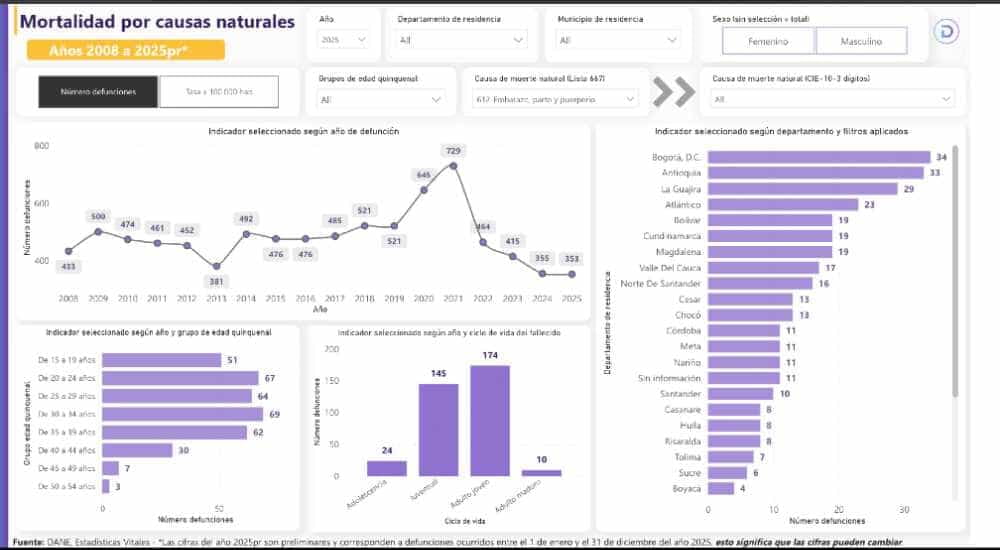
Mortalidad por causas naturales: embarazo, parto y puerperio, entre 2008 y 2025 en Colombia. Portal del DANE Colombia.
https://www.dane.gov.co/index.php/estadisticas-por-tema/salud/nacimientos-y-defunciones
¿Cuántas mujeres morían durante el parto antes de 1930, 1940, 1950? ¿Cuántos partos eran en casa? ¿Cuáles eran las razones principales de muerte durante el parto en aquella época?
Es difícil saber con exactitud, en parte porque sólo hasta 1960 se crean en Colombia, las instituciones que asumen labores estadísticas. Antes de eso sólo lo logramos saber por la constancia en los relatos familiares de padres viudos, de adolescentes sobre los que recaía el peso de la educación de todos sus hermanos.
La rosa blanca es la imagen fantasmagórica de la mujer que no está presente, y el símbolo inequívoco de orfandad dentro del colegio.
"El análisis de la mortalidad materna en el Instituto Materno Infantil a través de tres décadas muestra:
—Que la mayor proporción de la mortalidad en todos los períodos de estudio corresponde a mortalidad materna de causa directa y esta, a su vez, se distribuye en 4 causas principales: aborto, infección puerperal, toxemia y hemorragia."
https://revista.fecolsog.org/index.php/rcog/article/view/1980